
Almonds
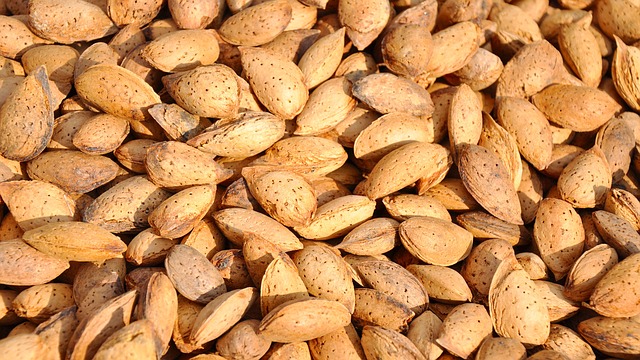
We supply almonds in multiple formats, including in-shell, kernels, and processed cuts, tailored to market requirements and end-use applications.
Available Forms
- In-shell
- Kernels
- Processed cuts
- Meal / Flour
- Butter / Paste
- Oil
Best For
- Retail in-shell programs (Traditional Snack)
- Bakery, snack bars, cereal, dairy & confectionery.
- Food service coatings, toppings, and crust applications.
- Ingredient manufacturing. (meal/flour, paste, oil)
1) In-Shell Almonds
Key Parameters
- Shell hardness
- Shell integrity
- Suture opening
- Kernel quality
- Crack out
- Market-specific requirements (depending on how in-shell almonds will be sold to consumers)
Market-Specific Examples
Traditional
Sold in the shell (semi-hard or hard shell acceptable), typically cracked with a mechanical nut cracker.
Snack
Sold in the shell with a softer shell and greater suture opening to allow seasonings to permeate the shell.
Hand Crack
Sold as kernels, a soft shell is preferred to allow manual cracking.
2) Almond Kernels
Variety (Physical Attributes)
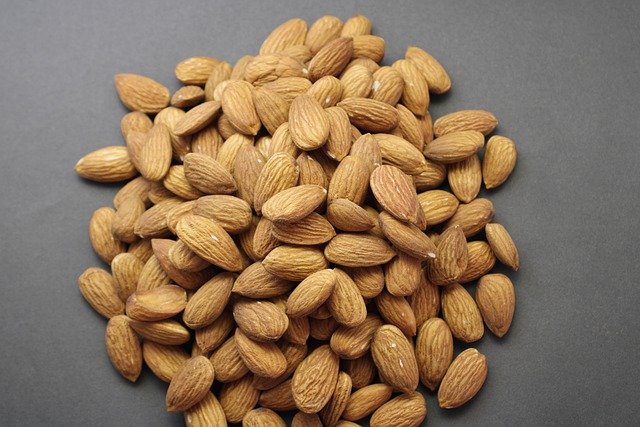
Varieties are distinguished by shape, color, skin texture/smoothness, and blanchability.
Common Varieties
- Nonpareil
- Monterey
- Carmel
- Butte
- Fritz
- Padre
- Aldrich
- Wood Colony
- Price
- Sonora
Size (Kernels per Ounce)
Size is expressed as the count range of whole kernels per ounce (28.35 grams).
- 18/20
- 20/22
- 23/25
- 25/27
- 27/30
- 30/32
- 32/34
- 34/36
- 36/40
- 34/40
- 40/50
- Above Customer-specified range As required
Grade (Defect, Tolerance Factors)
- Dissimilar
- Doubles
- Chipped & scratched
- Foreign material
- Particles and dust
- Split and broken
- Other defects
- Serious damage
- Fancy
- Extra No. 1
- No. 1 (Supreme)
- Select Sheller Run
- Standard Sheller Run
- No. 1 Whole and Broken
- No. 1 Pieces
3) Sliced Almonds
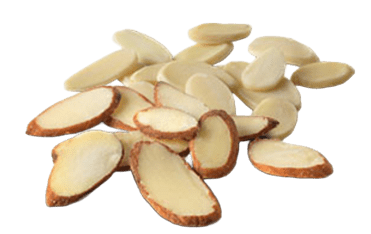
Type: Natural or Blanched.
Reference: Common specification by the Almond Board of California.
| Thickness Type | Range |
|---|---|
| Thick | 1.5–1.8 mm |
| Regular | 1.1–1.4 mm |
| Thin | 0.7–1.0 mm |
Typical Applications
- Topping for salad
- Ingredients for cereal and snack bars
- Coating for savory dishes
- Garnishing for baked goods and desserts
4) Slivered Almonds
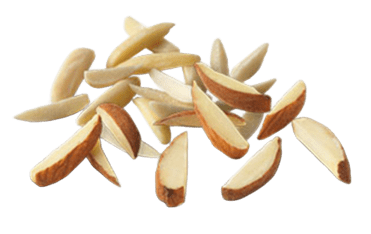
Type: Blanched.
Reference: Common specification by the Almond Board of California.
| Thickness Type | Range |
|---|---|
| Regular | 3.0–5.0 mm |
| Medium | 4.0–6.0 mm |
Typical Applications
- Roasted or flavored snacks
- Ingredients for baked goods and cereal
- Texture for confectionery
- Topping for prepared foods and salads
5) Diced Almonds
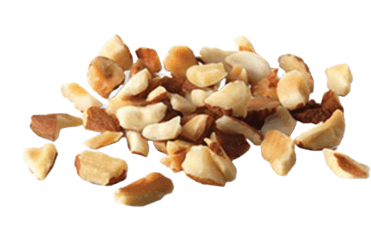
Type: Natural or Blanched.
Reference: Common specification by the Almond Board of California.
| Spec | Dimensions |
|---|---|
| 28/18 | 11.0 mm & 7.1 mm |
| 22/8 | 8.7 mm & 3.2 mm |
| 12/8 | 4.8 mm & 3.2 mm |
| 8/0 | 3.2 mm |
Typical Applications
- Topping for dairy items and baked goods
- Coating for ice cream bars
- Filling for bakery or confectionery
- Crust for meats and seafood
6) Meal / Flour
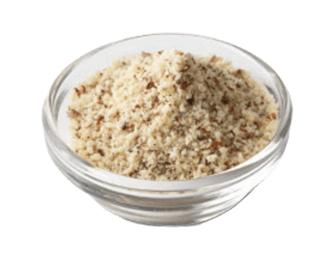
Type: Natural or Blanched.
Reference: Common specification by the Almond Board of California.
- Coarse ground
- Fine ground
- Particle size is determined by grinders and screens
Typical Applications
- Sauce thickener
- Ingredients and filling for confectionery
- Flavor enhancer for bakery
- Coating for fried foods
7) Butter / Paste
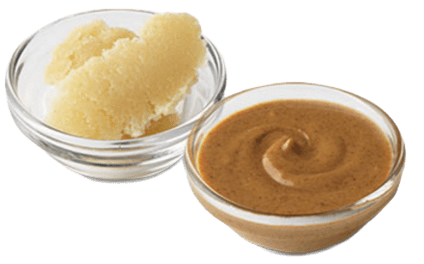
Type: Natural or Blanched.
Typical Applications
- Alternative to other nut butters
- Beverage formulations
- Filling for chocolate, cereal bars, confectionery, and bakery products
8) Almond Oil
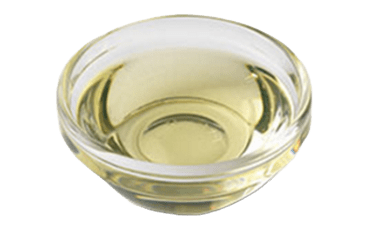
Reference: Common specification by the Almond Board of California.
- Cold-pressed
- Light, pale amber color
Typical Applications
- Cooking oil
- Non-food applications (e.g., cosmetics, moisturizer)
Request a Quote and Specification
Please share your form, size/grade requirements, quantity & packaging, destination/Incoterms, and timeline. We typically reply within 1–2 business days.
